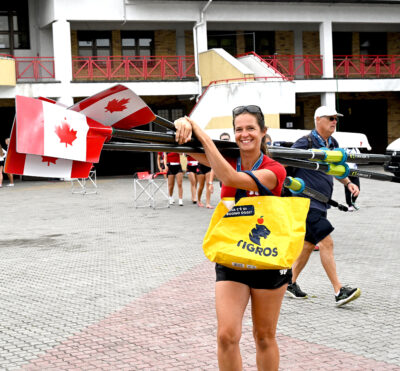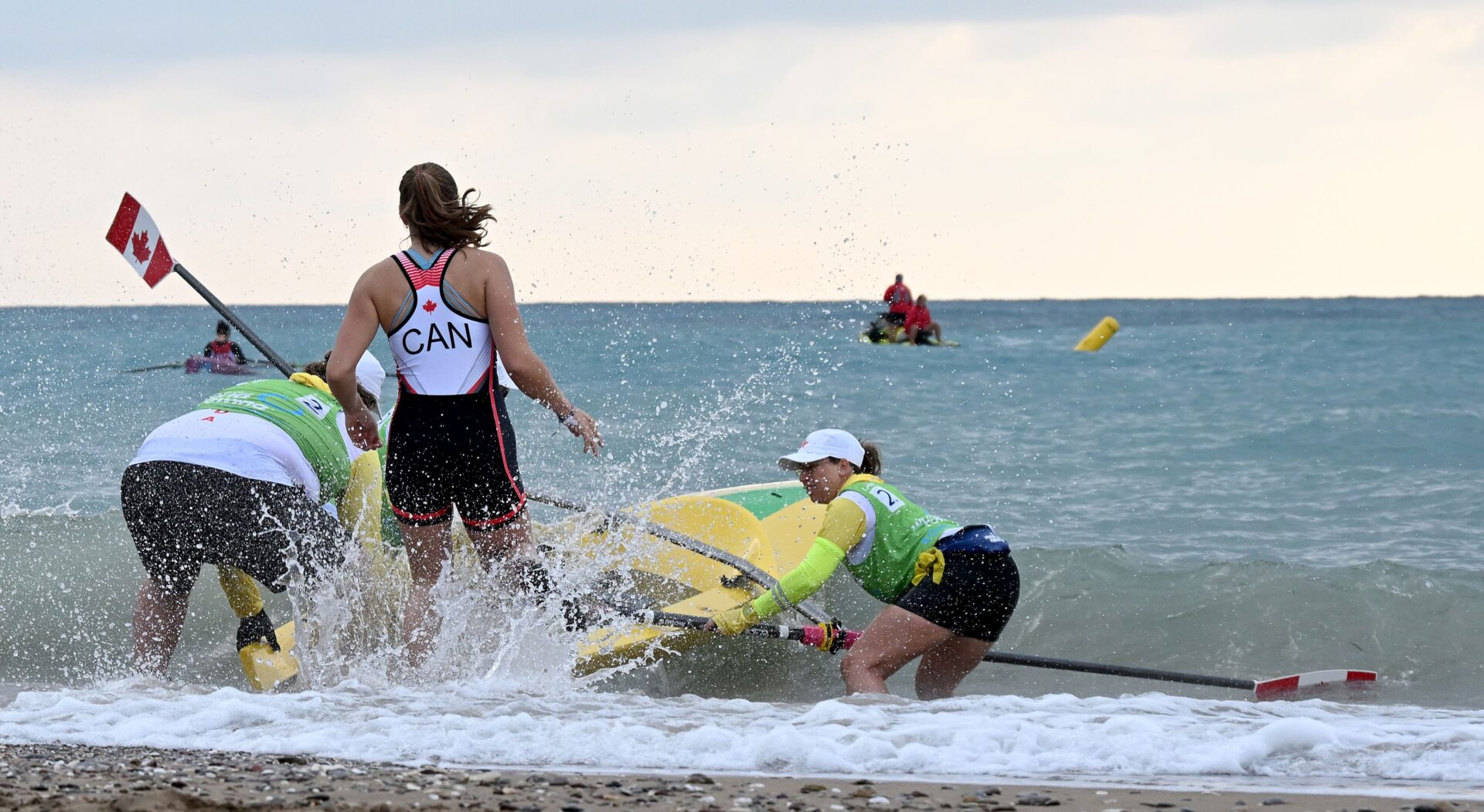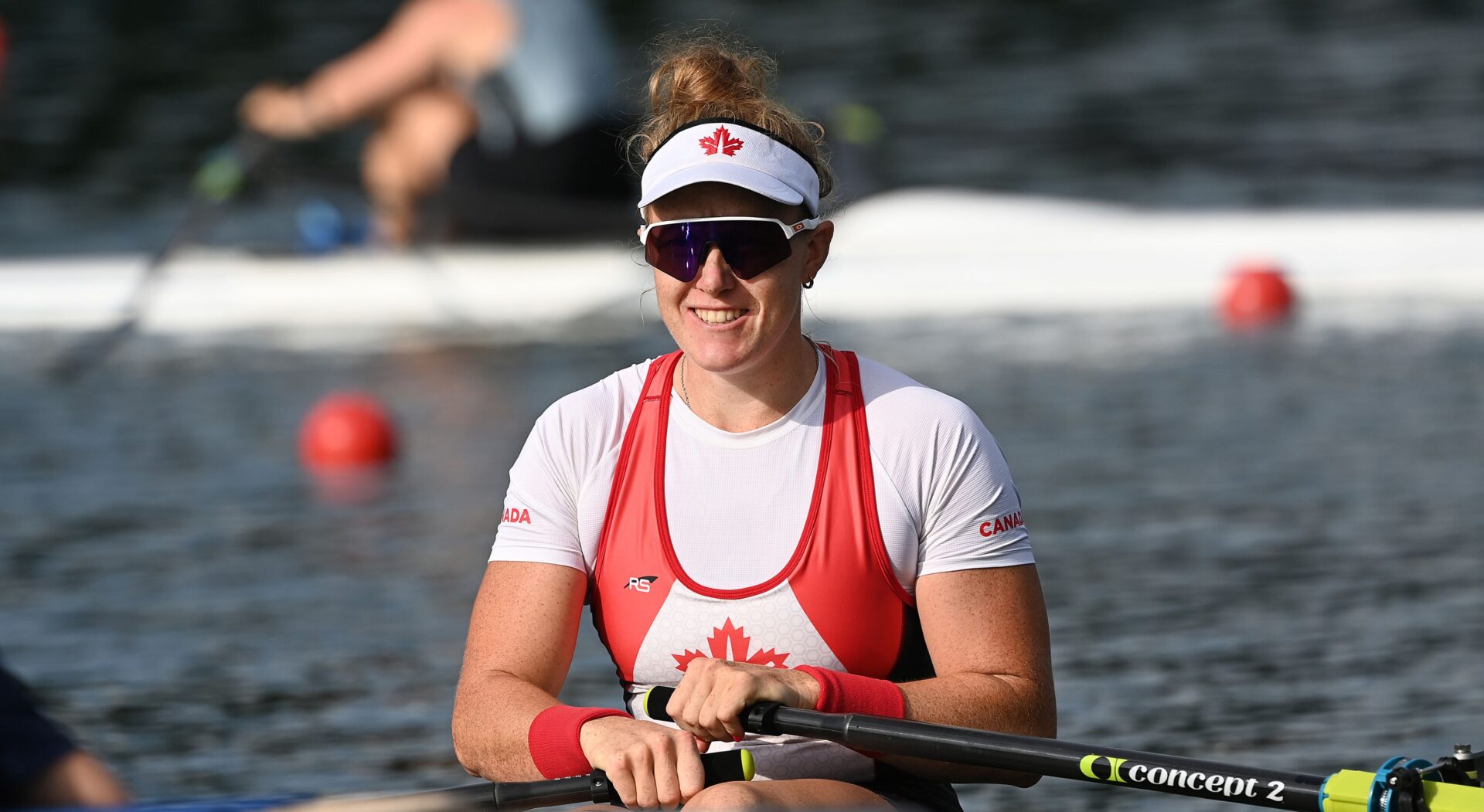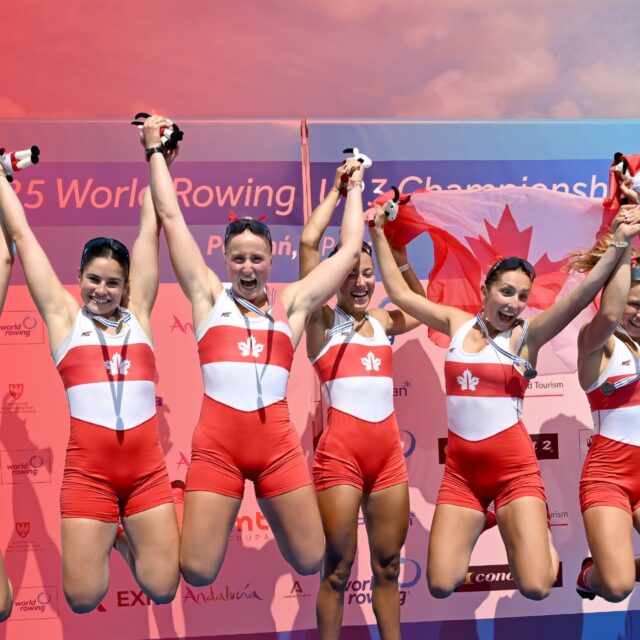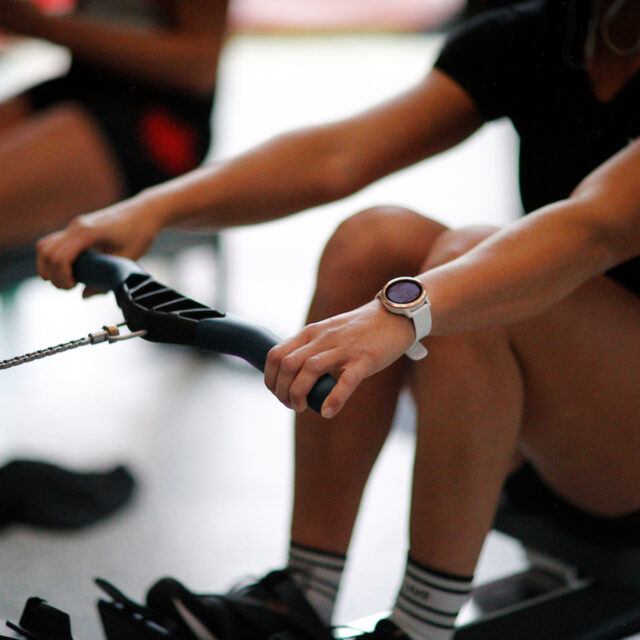
Getting started in rowing is easier than you may think and this section will tell you more about the sport and how to get started. Rowing is a sport that can be enjoyed by all. You can start at any age, learn the technique quickly and improve on it for the rest of one's life.
Rowing also brings significant health benefits. It exercises all the major muscle groups through the full range of motion, involves no body contact or jarring of the joints, and improves both strength and cardiovascular performance. It attracts those looking for an enjoyable recreational activity as well as those looking for exciting competitive opportunities. In fact many who have suffered injuries in other sports, such as knee or shoulder problems, have found that they have no difficulty or pain when rowing.
Rowers tend to be passionate about their sport. The sensation of being able to propel a boat at speed through the water under one's own power is exhilarating. It requires teamwork and concentration so that one is almost oblivious to the physical exertion employed. To many it is more than a sport, teaching lessons for life:
• the need to work together with others from all backgrounds;
• the values of fair play and consideration for others in the form of
good sportsmanship; and
• the benefits to be obtained from hard work and self-discipline. RCA has attempted to capture this vision of the sport in its vision statement: "Fostering excellence and teamwork for life through rowing."
There's more about rowing on this site.
To learn how to row you need to find a rowing club near you that gives lessons in rowing. The club provides the equipment and instructors. You should know how to swim. You do not need to be physically fit at this point but if you have any medical conditions you should check with your doctor whether such physical activity is advisable. If you have a disability find out if the club has an adaptive program for people with disabilities.
For a list of owing clubs that are members of Rowing Canada Aviron visit our clubs section.
You can get a good sense of what is involved in learning to row by looking at Journey 1,2,3 program . This describes the skills and knowledge you will acquire as you progress through a learn-to-row program. At the end of the learn-to-row program, if you want to continue rowing you should find out what ongoing rowing programs are offered by the club - see Options below.
When first contacting a club you may get a voice mail message, since many clubs are staffed entirely by volunteers. Do not be discouraged. Leave you name and telephone number, state your particular interest in learning to row and someone from the club will call you back.
Visit our clubs section.
Find out from the club what rowing programs it offers after you have learned how to row, whether you are interested in competing or rowing recreationally for fun and fitness.
In the case of competition there will likely be a number of regattas that the club trains for and attends each year. Regattas provide opportunities for all age and competency levels from novice to elite rower. After age 27 there is a masters category where events are organized by age group or a handicap system based on age.
In the case of recreational rowing there will likely be programs for particular groups rowing on certain days and times. Many recreational rowers also enter regattas for fun, particularly at the masters level.
There are also rowing tours organized in Canada and abroad that might interest you - see the Touring section for more information.
Rowing is a sport managed largely by volunteers. Clubs are not-for-profit entities and all those who participate volunteer their help in many ways, whether it is in the club's administration, helping take care of equipment or the club premises or assisting in the organization of events or attendance at regattas. Clubs are always looking for help and many parents and supporters get involved without rowing themselves.
There are also opportunities to become an RCA Umpire, responsible for the running of events at regattas and adjudicating the racing – see the Umpires’ section for more information.

| |